


KEEP YOUR LYTE GOING with resources
and tips
We believe that knowledge is empowering. That’s why we want to provide you with facts, helpful tips, and inspiration that can help you better take care of yourself.
Actor portrayals.
tell us
your caplyta story
If you’ve taken CAPLYTA and want to share your story, contact us:
 888-816-1224
 MyBipolarDepressionStory
Interested in learning more about CAPLYTA?
Use this patient brochure to learn how CAPLYTA could help rise above the lows of bipolar depression and let in the LYTE.
- Print or download the brochure
- Review the content on your own or with your healthcare provider
- Come prepared with any questions to the next appointment with your healthcare provider
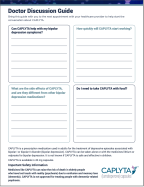
Ready to talk to your healthcare provider?
Prepare for a conversation about CAPLYTA with your healthcare provider. Download a discussion guide or create one personalized to your treatment journey.
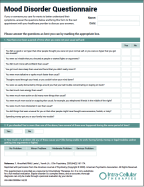
Want help understanding your symptoms?
Discussing your symptoms with your healthcare provider is a great first step in learning if you might have bipolar disorder. To help start the conversation:
- Print or download this form
- Record your answers
- Bring it to the next appointment with your healthcare provider. Only they can provide a diagnosis. This questionnaire is not a diagnostic tool
Mood Disorder Questionnaire
Want to learn how to save on your CAPLYTA prescription?
Learn About a Savings Offer
discover these
lifestyle tips
In addition to taking CAPLYTA, here are a few things you can do to help you rise above the lows of bipolar depression.

Look forward to what's ahead. Make a list of things you’d like to do.

Talk to friends and family. Loved ones would love to hear from you and may enjoy doing some of the things you want to do too.

Keep a sleep schedule. Going to sleep at the same time each night may help with maintaining a daily routine.

Eat well. A healthy diet is not only good for your physical health, but may also support your mental well-being.

Stay active. From taking a walk to joining a gym, exercise may help you feel better physically and emotionally.

Keep track of your moods. Each day is different, so it’s important to note how you feel and what made you feel that way.

Reach out when you need to. Your healthcare provider can help with creating a treatment plan that works best for you.
